
Selling your home can feel stressful, but the right preparation can make the process easier. If you are wondering how to prepare your home for sale, start by cleaning, removing clutter, fixing small problems, improving your home’s appearance and gathering important documents. These simple steps can help your property make a good first impression on buyers. Whether you live in a flat, terraced house or detached home in the UK, this guide explains how to prepare your home for sale, how to get your property ready, prepare for viewings and attract serious buyers without spending more than necessary.
1. Declutter Every Room
One of the first steps in learning how to prepare your home for sale is removing unnecessary items. Too much clutter can make rooms look smaller and stop buyers from seeing the property’s best features. Walk through each room and remove anything you no longer need.
Start with these areas for how to prepare your home for sale:
- Living room: Remove extra furniture, magazines and unused decorations.
- Bedroom: Put away clothes, shoes and personal belongings.
- Kitchen: Clear worktops and store small appliances neatly.
- Bathroom: Remove empty bottles and unnecessary toiletries.
- Hallway: Keep shoes, coats and bags out of the way.
You do not need to throw everything away. You can donate unwanted items, sell them online or pack belongings you will take to your next home. A tidy property looks more spacious and helps buyers imagine living there.
2. Give Your Home a Deep Clean
A clean home creates a positive impression from the moment a buyer walks through the door. Pay special attention to kitchens and bathrooms because buyers often look closely at these rooms. Clean worktops, cupboards, taps, sinks, showers, toilets and tiles.
You should also:
- Clean windows inside and outside where safely accessible.
- Vacuum carpets and mop hard floors.
- Remove dust from skirting boards and shelves.
- Clean kitchen appliances and extractor fans.
- Wash curtains and clean blinds when needed.
- Remove visible mould and deal with the cause of damp.
Fresh, clean rooms can make a property feel well cared for. You may not need expensive renovations when basic cleaning can improve its appearance.
3. Fix Small Repairs Before Selling
Small problems can make buyers worry about the general condition of a property. Loose door handles, dripping taps, broken cupboard doors and cracked tiles may seem unimportant to you. However, buyers might wonder whether the home has other maintenance problems. Make a list of simple repairs and deal with the most noticeable ones first.
For example, replace broken light bulbs, tighten loose handles, repair damaged skirting boards and fix sticking doors.
If you discover serious problems, such as damp, roof damage or electrical faults, consider getting advice from a suitable professional. Do not hide defects with paint or decorations. Honest information helps buyers make informed decisions and may reduce problems later in the sale.
4. Improve Your Home’s Kerb Appeal
Kerb appeal means how attractive your home looks from the outside. It matters because buyers often form an opinion before they even enter the property.
To improve your home’s exterior:
- Clean the front door and repaint it if necessary.
- Sweep the entrance and front path.
- Cut the grass and remove weeds.
- Trim overgrown plants and hedges.
- Clean accessible windows.
- Remove rubbish and tidy outdoor bins.
- Replace a damaged doormat.
If you have a garden, make it look neat and easy to maintain. You do not need an expensive landscaping project. Simple improvements can make the property feel more welcoming.
5. Use Neutral Colours and Simple Decorations
Bright colours and unusual decorations may suit your personal taste, but they might not appeal to every buyer. If your walls have strong colours, consider repainting them in soft white, cream, beige or light grey. Neutral colours can make rooms look brighter and help buyers focus on the space itself.
Keep decorations simple. A few cushions, a small plant or a framed picture can add character without making a room feel crowded. You do not need to remove all personality from your home. The aim is to create a comfortable space that different buyers can imagine making their own.
6. Make Rooms Look Bigger
Space is important to many homebuyers, especially those looking for a family home or a smaller property in a UK city. To make rooms feel larger, remove unnecessary furniture and keep walking areas clear. Use mirrors where they reflect natural light, and avoid blocking windows with bulky furniture.
Arrange furniture to show the main purpose of each room. For example, make sure a spare bedroom looks like a usable bedroom rather than a storage area. If you are selling a small flat, these changes can help buyers understand how the available space can meet their needs.
7. Make the Most of Natural Light
Bright rooms often feel more inviting than dark ones. Open curtains and blinds before viewings. Clean the windows and remove objects that block daylight. If a room has limited natural light, use suitable lamps to brighten darker corners.
Check that all light bulbs work and use a consistent, comfortable lighting style where possible. During darker UK winter months, good lighting can be particularly helpful. If a viewing takes place in the evening, switch on the lights before the buyer arrives.
8. Make Your Kitchen and Bathroom Look Their Best
Kitchens and bathrooms can influence how buyers feel about a property because replacing them may be expensive. You do not always need to install a new kitchen or bathroom before selling. Start with smaller improvements.
In the kitchen, clean cupboard doors, remove grease, organise shelves and clear worktops. Repair loose handles and replace damaged sealant where necessary. In the bathroom, clean the shower screen, polish taps, remove limescale and keep towels neat. Make sure the room is well ventilated.
These affordable changes can make both spaces feel fresher without the cost of a complete renovation.
9. Create a Welcoming Smell
Smell can affect a buyer’s first impression, even when a home looks attractive. Open windows when practical to allow fresh air inside. Empty rubbish bins, clean pet areas and wash soft furnishings if they hold unwanted smells.
Avoid using too much air freshener or strong perfume. These smells can be unpleasant and may make buyers wonder whether you are trying to cover up a problem. If you notice a persistent musty smell, investigate the cause rather than simply masking it.
10. How to Prepare Your House for a Viewing
Knowing how to prepare your house for a viewing can help you present your property confidently.
Before each appointment, follow this simple checklist:
- Make all beds and straighten the bedding.
- Clear kitchen and bathroom surfaces.
- Put away laundry, toys and personal items.
- Open curtains and switch on necessary lights.
- Make sure the house feels comfortably warm.
- Remove rubbish and empty full bins.
- Tidy the garden, entrance and hallway.
- Secure valuables and personal documents.
Give buyers room to explore. Try not to follow them into every room or interrupt their conversation with the estate agent. Your agent can explain the property’s features and answer questions about the local area, transport, schools and nearby facilities.
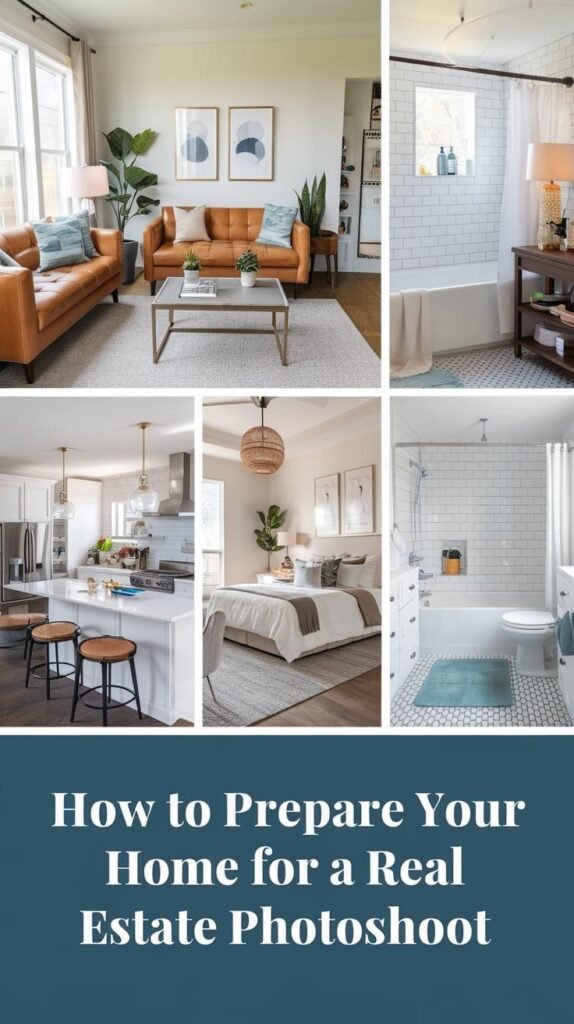
11. Prepare Your Home for Sale Photographs
Most buyers will see your property online before arranging a viewing. Good photographs can help your listing stand out. Before the photographer arrives, clean and declutter every room. Move unnecessary items away from worktops, tables and floors. Open curtains and make sure rooms are properly lit.
If possible, photograph the garden on a day when it looks tidy and inviting. Make sure photographs represent the property honestly. Do not use editing that hides important defects or makes rooms look very different from reality.
Good images should help buyers understand the property’s layout, size and main features.
12. Gather Important Documents
Preparing paperwork early can help prevent delays after you accept an offer.
Depending on your property, you may need:
- Your Energy Performance Certificate (EPC).
- Property title and ownership information.
- Planning permission and building regulations certificates.
- Window installation certificates, where applicable.
- Boiler, electrical and other relevant safety records.
- Guarantees and warranties for completed work.
- Lease details and service charge information, if applicable.
In most cases, sellers need a valid EPC before marketing their property, unless an exemption applies. Check whether your existing certificate is still valid.
You can find more information in the official GOV.UK guide to preparing to sell a home.
13. Set a Realistic Asking Price
Even a beautiful home may struggle to attract buyers if its asking price is too high. Research similar properties in your area. Look at their size, condition, location and recent selling prices rather than comparing only advertised prices.
It is sensible to ask several local estate agents for valuations. Ask how they reached their suggested prices and whether they have recently sold similar properties.
A realistic price can help attract more interest. Remember that the final selling price depends on buyer demand, market conditions, negotiations and the property’s condition.
14. How to Get Your House Ready to Sell Fast
If you want to sell quickly, focus on the changes that make the biggest difference without causing unnecessary delays. Start with cleaning, decluttering, minor repairs, kerb appeal and good photographs. Gather your paperwork and speak to an estate agent early so you understand what buyers in your area are looking for.
Avoid spending money on major renovations unless there is a clear reason to believe the work is worthwhile. Be flexible with viewing times where possible, respond promptly to enquiries and discuss feedback with your agent.
If buyers repeatedly mention the same concern, consider whether a practical change or a price review could help. No preparation method can guarantee a fast sale, but good presentation and realistic pricing can improve your chances.
15. Make Your Home Ready for Sale Without Overspending
You do not need a large budget to prepare your property for the market. Prioritise improvements that make the home cleaner, brighter and easier to view. Repainting a marked wall, repairing a broken handle or tidying the garden may be more useful than buying expensive furniture.
Before spending money, ask yourself whether the change will improve the property’s appearance, solve a real problem or help buyers understand its value. Keep receipts, warranties and certificates for any work completed. These records may be useful when answering questions from buyers.
Final Thoughts about how to prepare your home for sale
Learning how to prepare your home for sale is about making your property attractive, clean, well maintained and ready for buyers to view. You can begin with simple steps such as removing clutter, deep cleaning, fixing small problems and improving the entrance.
Next, prepare your photographs, organise the necessary documents and choose a realistic asking price. Focus on improvements that suit your budget rather than spending money on every possible upgrade.
Every property is different, so choose the changes that make the most sense for your home and local market. With careful preparation, you can give buyers a better first impression and make the selling process easier to manage.
Frequently Asked Questions about how to prepare your home for sale
1. how to prepare your home for sale?
For how to prepare your home for sale Start by decluttering, deep cleaning, fixing minor repairs and improving the garden or entrance. Then gather important documents, arrange photographs and speak to local estate agents about pricing.
2. How can I get my house ready to sell fast?
Focus on cleaning, presentation, minor repairs, realistic pricing and flexible viewing times. Preparing paperwork early can also help prevent avoidable delays, although the sale time cannot be guaranteed.
3. Should I renovate before selling my house?
Not always. Small repairs and basic decorating may be enough. Consider major renovations carefully and compare the likely cost with the possible benefit before starting work.
4. How clean should my house be for viewings?
Keep the whole property clean and tidy, especially the kitchen, bathroom, bedrooms and entrance. Remove rubbish, clear surfaces and make sure there are no unpleasant smells.
5. Do I need an EPC to sell my house in the UK?
In most cases, you need a valid Energy Performance Certificate when marketing a property, unless an exemption applies. Check the official government guidance for your circumstances.
6. What should I remove before selling my home?
Remove unnecessary furniture, personal clutter, excess decorations, laundry and items blocking windows or walkways. Keep useful furniture that helps buyers understand how each room can be used.